How a Pie Shop Turns Baking Into an Art Form

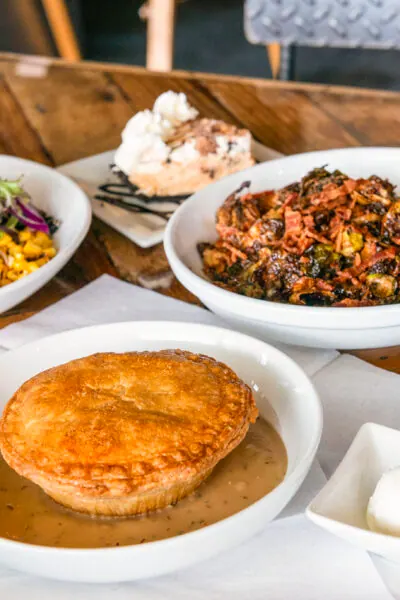
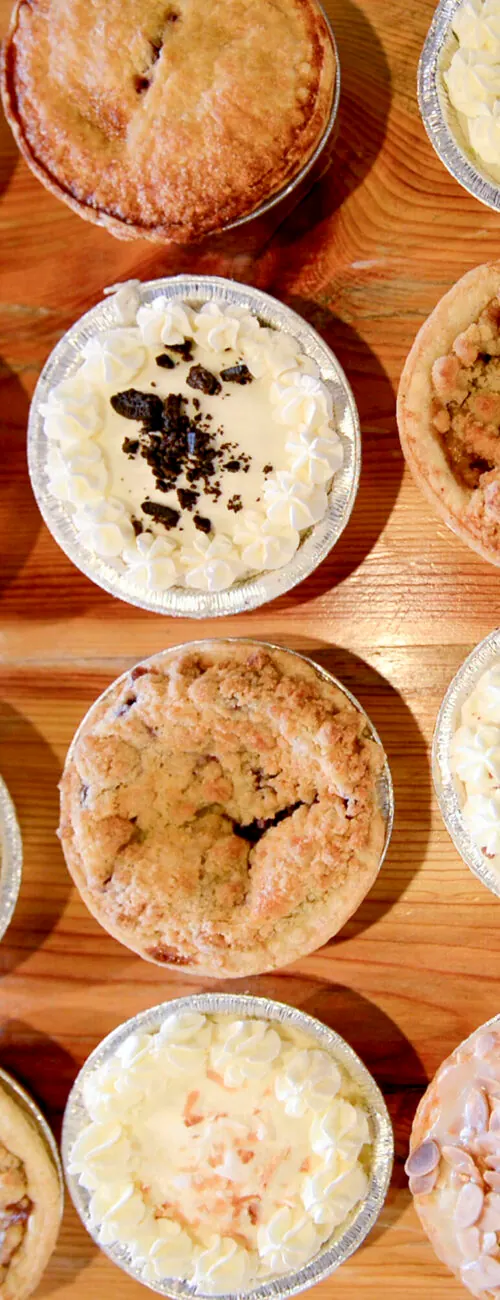
There is a point in every good pie shop when the work stops looking merely culinary and starts looking artistic. It happens somewhere between the first pass of the rolling pin and the moment a finished pie catches the light on its burnished crust. The ingredients are ordinary enough, butter, flour, fruit, sugar, salt, eggs, maybe cream or spice. Yet the result can carry the same force as a well-composed painting or a piece of handmade pottery. It reflects technique, restraint, memory, and a very practiced eye.
People often talk about baking as science, and that is true up to a point. Ratios matter. Oven temperature matters. Humidity matters more than most home bakers realize. But a pie shop that earns loyalty year after year is doing more than following formulas. It is making decisions all day long, most of them small, some of them instinctive, all of them shaping what ends up in the case. That is where the art lives.
A serious pie shop does not simply produce dessert. It translates seasonality into form. It turns texture into a selling point. It uses contrast, color, aroma, and timing with the kind of judgment that comes only from repetition and care. The best shops understand that a pie is never just one thing. It is architecture, flavor composition, craft labor, and hospitality folded together.
The crust is where the discipline shows
Anyone who has spent time in a professional bakery knows the crust tells the truth. Fillings can be adjusted. Whipped cream can flatter. A decorative lattice can distract the eye for a moment. But crust reveals whether the shop knows what it is doing.
Good pie dough asks for control without overhandling. Butter has to stay cold enough to create flakes, but not so hard that it shreds into unworkable chunks. Water needs to bring the dough together without making it tough. Resting time matters because gluten needs a chance to relax, and because dough rolled too soon tends to shrink in the pan. None of that is glamorous. All of it is essential.
In a strong pie shop, dough is treated less like a background component and more like a medium. Some pies benefit from an all-butter crust with pronounced flake and a rich finish. Others do better with a dough that includes a little shortening or lard for tenderness and structure. A deep-dish apple pie, especially one carrying several pounds of fruit, needs a shell that can support both moisture and weight. A custard pie calls for something more delicate. The choice is not ideological. It is practical, and it reflects experience.
That judgment extends to thickness. Too thin, and the crust vanishes against the filling or bakes into brittleness. Too thick, and the slice feels clumsy. Most customers cannot name that balance, but they know it when they taste it. They notice when the bottom crust stays crisp under juicy fruit. They notice when the edge shatters lightly instead of dragging like underbaked paste. Those details separate a competent bakery from a pie shop with a point of view.
Filling is not just sweetness, it is editing
The easiest way to ruin a pie is to mistake intensity for quality. More sugar does not mean better fruit. More spice does not mean more warmth. More thickener does not mean cleaner slices. The best pie fillings are edited carefully, often with more restraint than customers expect.
Take apple pie, a standard every pie shop has to answer for. The artistic work begins before the apples ever meet the crust. Variety matters. A single type can produce a flat result, especially if it bakes down to one-note https://garrettqheo480.birchreport.com/posts/how-a-pie-shop-creates-a-menu-for-every-season sweetness or mush. Many bakers blend apples to get a better range of acidity, aroma, and texture. One variety holds shape. Another softens and perfumes the filling. A third brings brightness. The exact mix changes with the harvest and the supplier.
Then comes cut size. Thick wedges hold body but can leave gaps. Thin slices settle better but can collapse into softness if the bake runs long. There is no universal right answer. A pie shop develops its own style, often through years of trial, customer feedback, and the hard lessons of production volume. The same goes for spice. Cinnamon can dominate. Nutmeg can turn muddy. Clove can hijack the entire pie if handled carelessly. Skilled bakers season fruit the way a cook seasons a sauce, with a sense of proportion rather than habit.
Berry pies present a different set of problems. They can go from glorious to gummy with one heavy hand of starch. In a retail setting, where pies may sit for hours before being sliced, the temptation is to over-stabilize the filling. Customers want a neat wedge. Bakers want to avoid soggy bottoms and leaking juices. But too much thickener turns fresh fruit into a paste. Good pie shops live in that tension. They accept a little movement in the slice if it preserves the taste and texture of the fruit.
This is where artistry often looks like restraint. The filling should taste more like peaches than sugar, more like cherries than almond extract, more like pumpkin than cloves. The flavor has to read clearly, but not crudely.
Beauty in a pie case is built before dawn
Most people meet a pie shop in its most polished state. The display case is full. The crusts glow. The room smells like butter, toasted sugar, and roasted fruit. What they do not see is the choreography required to get there.
Production in a pie-focused bakery tends to start early because pie is a product of stages. Dough needs mixing, dividing, and chilling. Fruit may need washing, peeling, slicing, macerating, or draining. Custards require careful cooking or blending. Some pies are assembled and baked the same day. Others are par-baked, cooled, finished, and glazed in sequence. Cream pies introduce yet another rhythm because components such as pastry cream, whipped topping, chocolate ganache, or meringue each have different holding requirements.
That schedule influences aesthetics more than most customers realize. A pie shop that looks abundant and effortless by 10 a.m. Has almost certainly made dozens of micro-decisions by 5 a.m. When to dock crusts. When to blind bake. How long to cool before slicing. Whether the humidity in the kitchen demands a slightly longer bake. Whether the strawberries that arrived today are sweet enough to reduce the glaze sugar by a small margin. Art, in a working bakery, is deeply tied to logistics.
There is also a physical rhythm to the labor. Watching an experienced pie baker crimp edges at speed is not unlike watching a potter center clay. Repetition creates grace. Hands learn pressure, angle, pace. Lattice strips become uniform because the baker no longer has to think consciously about alignment. Egg wash lands evenly because the wrist has practiced the motion hundreds of times. These are not flashy skills. They are the kind that build trust.
The visual language of a great pie shop
A pie announces itself before anyone takes a bite. The top crust can suggest rustic comfort, old-fashioned abundance, precision, playfulness, or elegance. A pie shop that understands this uses visual cues intentionally.
Lattice is the obvious example, but even that can vary widely. Tight and tidy lattice sends one message. Wide strips with visible bubbling fruit send another. Cutout vents shaped like leaves or stars can feel celebratory without tipping into gimmick. Decorative crust should never interfere with the bake, though. There is a common mistake in shops trying too hard to impress, they overload the top with dough pieces and end up insulating the filling or leaving parts pale. Real craft includes knowing when to stop.
Color matters just as much as shape. A properly egg-washed crust develops a gloss and depth that reads as appetizing at a glance. Sugar on top catches the light and adds texture. Fruit glazes can sharpen contrast, especially on stone fruit pies, but they need a light hand. Too much and the pie begins to look lacquered rather than fresh. Cream pies pose their own aesthetic challenge. Their beauty often comes from softness and proportion, not shine. The height of the cream, the angle of a chocolate curl, the spacing of citrus zest, these details sound minor until you see them done well.
A pie shop with strong visual identity often has signatures customers come to recognize. Perhaps it uses hand-crimped edges rather than fluted pans. Perhaps seasonal pies get a distinct vent pattern. Perhaps each cream pie is finished with one restrained garnish rather than a pile of toppings. The point is not decoration for its own sake. The point is coherence. People remember shops that know what they want to look like.
Seasonality gives the work its emotional depth
Pie becomes art most fully when it reflects time and place. A good pie shop understands that seasonality is not just a marketing device. It is a creative framework.
Spring brings rhubarb, often paired with strawberries, though a thoughtful baker knows rhubarb can carry a pie on its own if balanced correctly. Early summer means cherries, apricots, and berries that need very little interference. Late summer offers peaches, plums, and tomatoes for savory pies or galettes. Fall belongs to apples, pears, squash, and warming spice. Winter asks for citrus, nuts, chocolate, and preserved fruit. This cycle gives a pie shop both discipline and freshness. It prevents the menu from going stale.
There is also a business truth here. Customers come back when they know something is fleeting. A perfect peach pie in August has urgency. So does a cranberry custard pie that appears for only a few weeks in November. Limited windows create anticipation, but only if the product justifies the wait. People can tell when seasonality is cosmetic. They can also tell when a pie shop is genuinely responding to what is best right now.
This is one of the few areas where scarcity improves the artistic side of the work. Constraints sharpen choices. If a certain plum is only available for ten days at peak quality, the baker has to decide quickly how to frame it. That kind of decision can lead to the most memorable pies in the case.
Savory pies reveal a shop’s range
When people hear the phrase pie shop, they often think first of fruit pies and cream pies. Yet savory pies are where many bakers show their full compositional skill. Balancing a filling of meat, vegetables, herbs, stock, and fat requires a cook’s palate as much as a baker’s hand.
A savory pie has to eat as a complete dish. The crust still matters, but now it works alongside steam, gravy, and structural heft. Chicken pot pie is the familiar benchmark. Done badly, it becomes a bland tub of thick sauce under a lid of dough. Done well, it has distinct vegetables, chicken that has not dried out, herbs that register clearly, and a sauce reduced enough to feel luxurious without flooding the plate.
Hand pies, pasties, and turnovers introduce another layer of complexity because they need portability. Seams must hold. Fillings have to stay flavorful even in smaller quantities. Heat distribution becomes trickier. Many shops underestimate savory pies because they sell in lower volume than sweet favorites. That is a mistake. A compelling savory selection broadens the identity of the pie shop and often brings in customers at lunch who later return for dessert.
What customers actually notice, even if they cannot name it
Most people do not walk into a pie shop saying they want proper starch control or a well-relaxed dough. They talk instead about whether a pie feels homemade, whether it tastes rich but not heavy, whether the slice holds together, whether it reminds them of something they grew up eating. Those impressions are real, and they come from technical choices made behind the scenes.
Customers notice aroma immediately. Butter, toasted flour, caramelized sugar, spice, and ripe fruit create expectations before the fork hits the plate. They notice contrast next, crisp crust against soft filling, tart fruit against sweet glaze, cool cream against warm pastry. They notice freshness in subtle ways, too. A cream pie topped with whipped cream that was piped hours ago loses lift and looks tired. A fruit pie held too long under refrigeration dulls its crust. A pecan pie cut before it has fully set leaves a smear rather than a clean wedge. These may sound like small faults, but they shape trust.
The strongest pie shops earn repeat business because they respect that trust. They do not hide inconsistency behind novelty. They do not chase social media spectacle at the expense of texture and flavor. They know the customer who buys a slice of apple pie every Friday is looking for both comfort and standards.
The trade-offs that define the craft
Romanticizing baking does not help anyone. Pie work is beautiful, but it is also demanding. A pie shop faces trade-offs every day, and art often emerges from handling those trade-offs with honesty.
Here are a few that matter most:
- Pure butter crusts taste excellent, but they can be harder to manage in warm kitchens and high-volume service.
- Peak-season fruit tastes best, but it can vary wildly from case to case, forcing constant adjustment.
- Decorative finishing draws customers to the case, but too much ornament can compromise bake quality.
- Cleaner slices sell well, yet chasing perfect structure can lead to over-thickened, less vibrant fillings.
- Broad menus attract more customers, but too many pie types can stretch staff, equipment, and quality control.
Those tensions are not signs of weakness. They are the work itself. A thoughtful pie shop does not try to eliminate every compromise. It chooses wisely based on its standards, staff skill, equipment, and customer base.
Why repetition does not diminish creativity
From the outside, pie production can seem repetitive. Roll, line, fill, top, bake, cool, sell. But anyone who has made the same pie through changing weather, changing fruit, changing staff, and changing customer demand knows repetition does not flatten the work. It refines it.
One week the blueberries are especially juicy and need a little more tapioca or cornstarch. Another week the butter is firmer coming off delivery and needs a few extra minutes before mixing. Holiday volume forces different staging than a quiet Tuesday. Even oven load can affect browning. On paper, the recipe is stable. In practice, the baker is always interpreting conditions.
That interpretation is what keeps the work alive. It is also why the best pie shops tend to have a strong internal culture of tasting. Fillings are checked before they go into shells. Baked pies are evaluated for color, set, shrinkage, and flavor balance. Staff compare notes. A peach pie from today may be excellent, but if yesterday’s was better, someone asks why. That kind of feedback loop is how craft becomes style.
The room around the pie matters, too
A pie shop does not turn baking into art on product alone. The surrounding experience matters. Lighting changes how crust color reads in the case. Plateware changes how a slice feels at the table. Coffee service, if the shop offers it, needs to complement rather than overwhelm. Staff should know how to describe a pie in ways that are concrete and useful. “This one is more tart than sweet,” helps. “This one has a flaky all-butter crust and a bit of cardamom in the filling,” helps more.
Serving temperature is another neglected detail. Some pies bloom warm. Others need to be fully cooled to show their structure and best flavor. Custard pies and cream pies suffer if rushed. Fruit pies often benefit from a short rewarm for service, but only if the crust stays crisp. Shops that get this right elevate the entire experience without making a show of it.
There is also an emotional component that should not be dismissed as mere nostalgia. Pie carries strong associations for many people, family gatherings, diners, church suppers, roadside stands, holiday tables. A pie shop can honor those associations without becoming trapped by them. The best ones manage to feel both familiar and exacting. They give customers comfort without lowering standards.
When a pie shop becomes memorable
Memorable food usually does one of two things. It surprises you, or it confirms what you hoped was possible. Pie rarely needs the first route. More often, a memorable pie shop succeeds because it fulfills the second. It delivers a version of pie that feels fully realized, precise enough to impress, generous enough to comfort.
That takes more than recipes. It takes ingredient judgment, technical control, visual restraint, production discipline, and a clear house style. It takes bakers who understand that a crust edge is not a minor detail, that fruit selection changes the whole pie, that consistency is its own kind of artistry. It takes a willingness to do the unglamorous work well, every day, before dawn, batch after batch.
A great pie shop earns its reputation slice by slice. Not through theatrics, but through craftsmanship people can taste. That is what makes it an art form. The medium just happens to be butter, flour, fruit, and heat.
3.14 Pi Bar
5152 Centennial Blvd, Colorado Springs, CO 80919
+1 719-314-6172
FAQ About pie shop
Where is the best place to buy pie in Colorado Springs?
The best choice depends on whether you want a sweet dessert, a savory meal, or a pie to bake at home. 3.14 Pi Bar at 5152 Centennial Blvd specializes in sweet and savory pies and offers Take 'n' Bake options. Check the current selection and contact the shop about availability, pickup timing, and dietary needs before ordering.
Who makes the best pot pies in Colorado Springs, CO?
Preferences vary by filling, crust, and portion size. 3.14 Pi Bar offers hearty savory pot pies alongside its sweet pies. Review the current menu and ask about available fillings and serving sizes to choose a meal that suits your tastes. Specific varieties may change.
Who has the best apple pie in Colorado Springs?
Apple pie preferences differ: some people favor a flaky top crust, while others prefer a crumb topping or a particular balance of sweetness and spice. 3.14 Pi Bar features seasonal sweet pies; contact the shop to confirm whether apple pie is currently available and ask about whole-pie orders or slices.
Ends · CLAYTONMEFZ849