How to Create the Perfect Drunken Noodles Stir-Fry
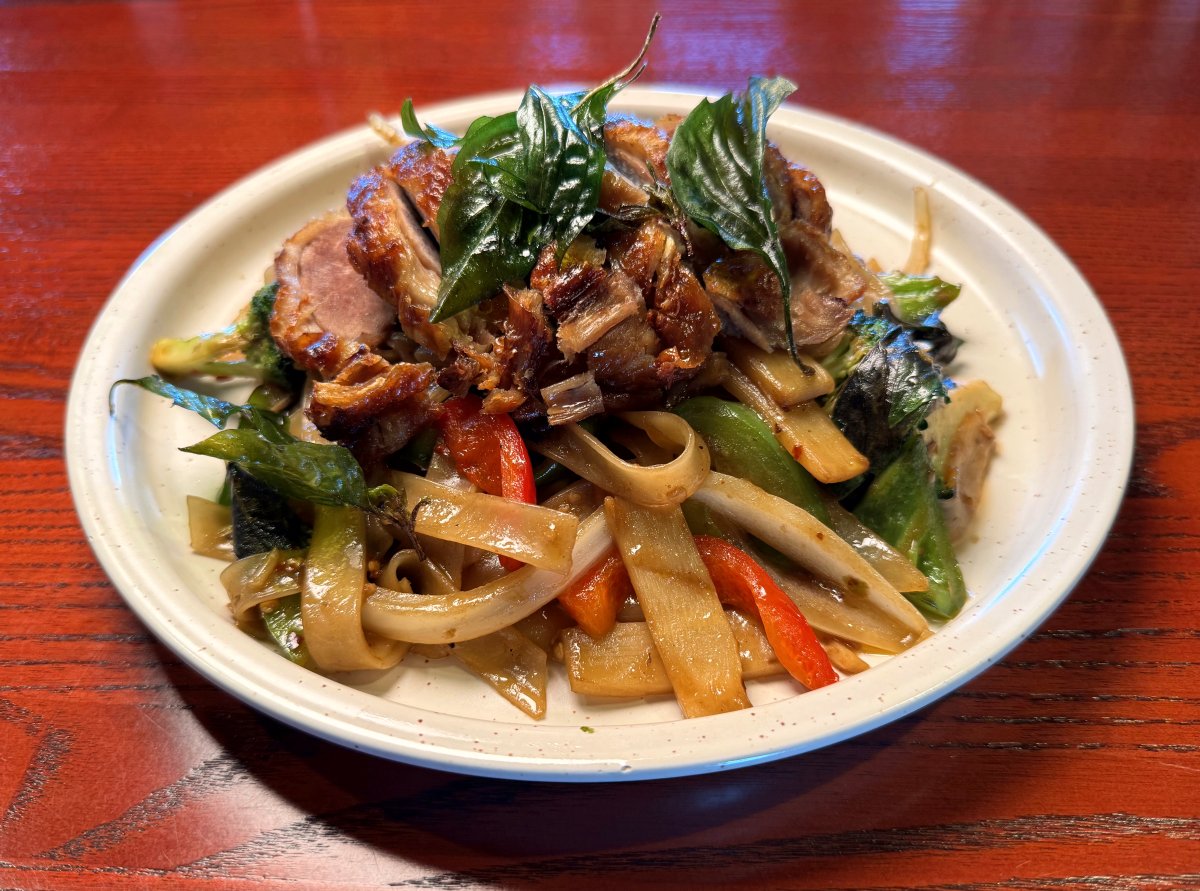

Drunken Noodles has a way of ruining mediocre stir-fries for you. Once you have eaten a good plate of it, smoky from a ripping hot wok, slick with glossy sauce, tangled with broad noodles and pockets of charred basil, it becomes hard to settle for a flat, timid version. The dish asks for contrast. You want heat, but not only heat. Sweetness, but not candy-like sweetness. Salty depth, but not a soy bomb. Tender noodles, but not mush. Crisp vegetables, but not raw. The balance is what makes it memorable.
Despite the name, there is usually no alcohol in the pan. The story behind the name shifts depending on who tells it. Some say it is the sort of dish you crave late at night after drinking. Others say the spice level is enough to make you reach for something cold. Either way, the important part for the cook is not the folklore. It is understanding why the dish works and how to recreate that very particular combination of chew, char, perfume, and savory heat at home.
A lot of home recipes overcomplicate Drunken Noodles. They pile on vegetables, drown everything in sauce, or ask for a pan so crowded it steams instead of sears. The perfect version is less about a long ingredient list and more about getting a few details right. Broad rice noodles, a sauce with backbone, high heat, Thai basil if you can find it, and the discipline to cook quickly. If you can manage those pieces, you can make a plate that tastes restaurant-level without turning your kitchen into a production line.
What makes Drunken Noodles distinct
If you have eaten both pad see ew and Drunken Noodles, you already know they are cousins, not twins. They often use similar noodles, similar proteins, and a related stir-fry method. The difference lives in the personality of the dish. Pad see ew leans darker, sweeter, and more restrained. Drunken Noodles is more assertive. It carries fresh chili heat, garlic, basil, and a sharper savory edge. It should taste lively.
The noodles themselves matter more than many people realize. Drunken Noodles relies on broad rice noodles because they hold sauce differently from thin noodles. They drape and fold. They develop those browned edges when they hit a hot surface. They also provide enough body to stand up to chili and basil. If you substitute something narrow and delicate, the flavor ratio changes and the dish starts eating like something else.
Texture is another dividing line. A strong plate of Drunken Noodles should feel slightly irregular, in a good way. Some noodles get more caramelized than others. Some vegetables retain bite. The basil wilts into the sauce, but still releases a distinct anise-like aroma at the table. This is not a silky, uniform noodle dish. It should feel like it came out of a wok in under four minutes.
Start with the noodles, or nothing else works
The single most common mistake in home versions is mishandling the noodles. Everything that happens after that becomes damage control.
Fresh broad rice noodles are ideal. In many Asian markets, they are sold in folded sheets or cut into wide strips. If you can get them fresh on the same day you plan to cook, do that. They are supple, easy to separate, and less likely to crack. Cold refrigerated fresh noodles often clump into a dense brick. That does not make them unusable, but it does mean you need to bring them back gently. Let them sit at room temperature for a while, then separate them with oiled fingers or a brief microwave warm-up under a damp paper towel. Force them apart while cold and they split into short, frustrating pieces.
Dried rice noodles can still produce a very good result, but they require precision. The package instructions often overshoot. If you soak or boil them until fully tender, they will keep softening in the wok and turn limp. Stop when they are flexible but still a touch firmer than you want to eat. Think of them as three-quarters done. They should finish in the sauce.
One practical detail that experienced stir-fry cooks learn fast is that noodles cannot sit around in a colander while you prep everything else. Rice noodles stick, dry out, or clump. Get your mise en place in order first, then deal with the noodles last. When the https://garrettqheo480.birchreport.com/posts/how-to-create-the-perfect-drunken-noodles-stir-fry sauce is mixed, the vegetables are cut, and the aromatics are ready, only then should you soak, warm, or separate the noodles.
The sauce needs tension, not just salt
The sauce for Drunken Noodles is short, but every component earns its place. Most versions use a combination of oyster sauce, soy sauce, dark soy sauce, fish sauce, and a little sugar. Some add a touch of water or stock to help distribute the seasonings. The exact proportions vary by kitchen and by brand, which is why copying a formula blindly can disappoint.
Oyster sauce provides body and a rounded savory sweetness. Soy sauce gives salt and fermented depth. Dark soy sauce contributes color and a mild caramel note, though too much can muddy the dish. Fish sauce is often the spark that makes the whole thing taste more complete. Sugar, used with restraint, smooths the edges and helps the noodles lacquer.
A strong home cook tastes the sauce before it hits the wok. Not for perfect balance, because it will taste too intense on its own, but to make sure it has shape. If it tastes only salty, it needs sweetness or oyster sauce. If it tastes flatly sweet, it needs fish sauce or soy. If it feels heavy and dark, it may need less dark soy than the recipe suggests. Brand differences are real. One oyster sauce can be much sweeter than another. One fish sauce can be remarkably pungent. You cannot cook by tablespoon alone and expect the same result every time.
This is also where many restaurant copies go wrong. They over-sauce the pan. Drunken Noodles should be coated, not swimming. The sauce should cling to the folds of the noodle and reduce fast when it hits high heat. Excess liquid cools the pan and turns stir-frying into stewing.
Chili, garlic, and basil are the signature
If broad noodles are the body of the dish, chili, garlic, and basil are the voice.
Fresh chilies give Drunken Noodles its direct, bright heat. Thai bird’s eye chilies are classic, but they are not mandatory if they are unavailable or if you want to control the intensity more carefully. Fresno, serrano, or even red jalapeño can work. What matters is freshness and enough heat to register clearly against the sweet-salty sauce. Dried chili flakes create a different kind of heat, more blunt and less fragrant. They can help in a pinch, but they are not the same thing.
Garlic should be abundant. Not one clove minced into invisibility, but enough to perfume the oil and hit your nose the moment the pan wakes up. In many Thai stir-fries, garlic is not a background note. It is part of the structure. Slice it thin if you want little golden chips throughout, or mince it if you want it to melt more fully into the sauce. Either approach works, but avoid tiny pieces over moderate heat, because they burn before the pan gets hot enough for the rest of the ingredients.
Then there is basil. This is where substitution matters. Thai basil is best. It has a sturdier leaf and a licorice-like aroma that survives the heat. Italian basil can still make a tasty noodle stir-fry, but it shifts the dish in a softer, sweeter direction. If Thai basil is available, use it generously. It should not appear as a garnish sprinkled on top like an afterthought. It should wilt into the hot noodles and season the whole pan.
Protein is optional, but not an afterthought
Chicken is perhaps the most common choice, especially thinly sliced thigh meat because it stays juicy over hard heat. Beef works well if cut across the grain into short, thin strips. Shrimp cooks very quickly and pairs nicely with the basil and chili. Tofu can be excellent, though it benefits from being browned first so it contributes texture rather than just absorbing sauce.
The key is to think about timing, not category. Whatever protein you choose needs to cook fast. Thick chunks of chicken breast are a poor fit because they take too long, release moisture, and slow the entire stir-fry. This is one of those dishes where cutting technique matters as much as ingredient choice. Thin slices mean speed, and speed protects the noodles.
Some cooks skip protein entirely and let the noodles carry the dish. That works, especially for a lunch-style plate with extra vegetables. In that version, a fried egg on top can be enough richness to make it feel complete. The yolk mingles with the sauce and softens the sharper edges of heat and fish sauce.
Vegetables should support, not overwhelm
There is a temptation to empty the crisper drawer into a stir-fry. Drunken Noodles is not the place for that. A few vegetables can add sweetness, crunch, and color, but too many dilute the dish and flood the wok with water.
Chinese broccoli is traditional in many versions, and it gives a pleasant bitter-green note. Bell peppers are common and useful, especially red ones, which soften quickly and echo the sweetness in the sauce. Onion adds sweetness and browns well. Baby corn, zucchini, mushrooms, or broccoli can all work, but they change the balance and often increase moisture. If you include them, do it with restraint.
A restaurant can handle a loaded wok because of equipment and raw heat. A home stove usually cannot. If you crowd the pan with noodles, chicken, peppers, onions, and extra vegetables all at once, you lose the sear. The dish turns slick and soggy. Better to use fewer components and let each one taste more like itself.
The pan matters, but the method matters more
People can become dogmatic about needing a wok. A carbon steel wok is excellent, especially over a powerful gas burner, but it is not the only path to good Drunken Noodles. A large carbon steel skillet or a heavy stainless sauté pan can do the job if you respect its limits. Cast iron can deliver strong browning, though it is less nimble for tossing.
What matters most is surface heat and batch discipline. You want the pan hot before the oil goes in. You want the ingredients dry enough to fry rather than steam. And you want to cook in an amount the pan can handle.
A useful home strategy is to cook the protein first, remove it, then stir-fry the aromatics and vegetables, then add the noodles and sauce, and return the protein at the end. This is not exactly how every street vendor cooks, but it is often the cleanest way to preserve heat in an ordinary kitchen. Professionals work with burners that recover almost instantly. Home cooks do not. There is no shame in adapting.
When the noodles hit the pan, do not poke them endlessly. Let them sit for a few seconds so they can catch on the surface and develop a little browning. Then toss or fold. Add the sauce around the edges rather than directly on top of the noodle pile if possible. That gives it a chance to sizzle and reduce instead of pooling.
The basil goes in near the end, when the sauce has coated everything and the noodles are almost done. Toss just long enough to wilt the leaves. If you cook basil into submission for a full minute, much of the perfume disappears.
Timing is the hidden ingredient
Drunken Noodles is one of those dishes that feels chaotic until you realize it is mostly decided before the burner turns on. Once the cooking starts, there is no leisurely pause to slice another pepper or measure another spoonful of sauce. The active cooking window is short, often three to five minutes.
That is why prep matters so much. Have the protein seasoned or at least cut and ready. Have the garlic and chilies together. Have the sauce mixed. Have the noodles loosened. Have the basil washed and dried. If you have to stop and untangle noodles while garlic burns in the pan, the final dish tastes like panic.
There is also a rhythm to adding ingredients. Protein first if it needs browning. Aromatics next, but only briefly. Firmer vegetables before delicate ones. Noodles and sauce together at the point when the pan is hottest and emptiest. Basil last. This sequence is not rigid doctrine, but it reflects one truth: the pan must stay in control. When you lose control of heat or timing, the dish feels muddy.
Common problems, and how experienced cooks fix them
A plate of Drunken Noodles can go off track in several familiar ways. The good news is that most of them are fixable with one or two changes next time.
If the noodles are breaking, they were probably too cold, too dry, or too forcefully separated. Warm them slightly before cooking and handle them with more patience.
If the dish tastes dull, the issue is often not more salt. It is usually missing fish sauce, insufficient chili, or basil added too sparingly. Those are the elements that bring the dish to life.
If the pan floods with liquid, you likely crowded it or used vegetables that release too much water. Scale back, or cook in batches.
If the noodles clump into one mass, they may have sat too long after soaking, or they entered the pan undercooked and stuck before the sauce could coat them. A little oil while separating them helps, and so does moving quickly.
If the flavor is harsh and overly dark, dark soy sauce is often the culprit. Use less than you think you need. Its main job is color, not salinity.
These are the kinds of adjustments that make the second and third attempt dramatically better than the first. This dish rewards repetition because the margin between decent and excellent is narrow, but visible.
Small choices that make a big difference
There are a few details that rarely get highlighted in short recipes, but they matter.
Use a neutral oil with a reasonably high smoke point. Peanut, rice bran, avocado, or a light vegetable oil works well. Extra virgin olive oil brings the wrong flavor and can scorch.
Dry your vegetables after washing them. Even a little surface water can cool the pan enough to blunt browning.
Do not slice everything too thin. Bell peppers and onions need enough body to keep some bite. If they collapse completely, the dish loses contrast.
Taste the basil before cooking if you can. Thai basil varies. Sometimes it is intensely aromatic, sometimes less so. If it is mild, use more.
Serve immediately. Drunken Noodles waits for no one. Five minutes on the counter and the noodles absorb more sauce, soften further, and lose some of the pan-fried edge that makes the dish special.
Making it your own without losing the point
The best home version of Drunken Noodles is not necessarily the most orthodox one. It is the one that respects the character of the dish while fitting your kitchen, ingredients, and appetite.
If you prefer a sweeter profile, increase sugar slightly, but keep it in check so the chilies and fish sauce still read clearly. If you love heat, use more fresh chilies rather than simply adding bottled chili sauce, which can drag the flavor toward sweetness or vinegar. If you eat vegetarian, a combination of mushroom-based oyster-style sauce, light soy, dark soy, and a little miso or fermented bean paste can build surprising depth, though it will not taste identical to the classic version.
There is also room to adjust the vegetable mix with the season. In summer, long beans or zucchini can be pleasant additions. In cooler months, Chinese broccoli or bok choy feels more in character. The core idea is to avoid turning it into a generic noodle stir-fry. Keep the broad noodles, the chili-garlic backbone, the basil, and the high-heat method. Those are the anchors.
One version I come back to often uses chicken thigh, red bell pepper, onion, and a generous handful of Thai basil, with a sauce tilted a little more toward fish sauce than sugar. It tastes sharp, savory, and fragrant, which is what I want from the dish. When I cook it for people who think they do not like basil-heavy stir-fries, that combination usually changes their mind. The aroma blooms right at the end, and suddenly the plate smells more layered than it looked in the pan.
The perfect plate is balanced, not maximal
Perfection in Drunken Noodles does not mean the hottest, sauciest, or most loaded version. It means every bite gives you a little of what you came for. A soft-chewy noodle with a browned edge. A flash of chili. A savory glaze. A sweet pepper or onion. Basil in the background, then the foreground. Protein that still tastes like itself. A plate that feels intense, but not heavy.
That balance is why the dish stays compelling. It is fast food in the best sense, quick to cook, immediate to eat, and deeply satisfying when handled with confidence. Once you understand the mechanics, it becomes less of a recipe and more of a method you can trust.
The perfect Drunken Noodles stir-fry is not built on mystery. It comes from a hot pan, restrained sauce, properly handled noodles, and ingredients added at the right moment. Get those right, and the dish does what it is supposed to do. It tastes vivid, a little smoky, a little wild, and completely worth making again tomorrow.
Nakhon Luang Thai Kitchen
Address: 805 Village Center Dr, Colorado Springs, CO 80919
Phone number: +17195315175
FAQ About Drunken Noodles
What makes it drunken noodles?
Drunken noodles, or Pad Kee Mao, get their name from the Thai word khi mao (meaning "drunkard"). They contain no alcohol. The name comes from the idea that the dish is a popular late-night meal to cure a hangover or a great food to eat with a cold beer.
What is the difference between pad see ew and drunken noodles?
While both Pad See Ew and Drunken Noodles use the same wide rice noodles, Pad See Ew is a mild, sweet-savory dish made with dark soy sauce and Chinese broccoli, whereas Drunken Noodles (Pad Kee Mao) are fiery, garlicky, and herbaceous with fresh chilies and Thai basil.
What are traditional drunken noodles?
Traditional drunken noodles, known as Pad Kee Mao in Thai, are a fiery, savory street food stir-fry made with wide flat rice noodles, fresh garlic, lots of hot chilies, meat or tofu, and fragrant holy basil. Despite the name, they contain no alcohol; the dish is traditionally eaten late at night or as a hangover cure because the intense spice helps clear the head.
Ends · CLAYTONMEFZ849