Jamaican Food Recipes That Bring the Island Home


Jamaican food has a way of staying with you. It is not only the heat of Scotch bonnet, or the perfume of thyme and scallion rising from a pot. It is the balance. Smoke against sweetness. Fire against freshness. Slow cooking beside sharp pickles. A plate can feel generous and exact at the same time.
People often reduce Jamaican cooking to jerk seasoning and little else. That misses the depth of the kitchen. Home cooking across Jamaica draws from African, Indigenous Taíno, European, Indian, and Chinese influences, then filters them through local ingredients and the practical wisdom of cooks who know how to make food stretch without losing pleasure. One meal might center on coconut milk and pimento, another on browning sugar until it turns almost bitter, another on a bright escovitch dressing that wakes up fried fish. Even when dishes look simple, they are rarely flat.
If you want to bring the island home, start with the methods that shape flavor. Marinate with purpose. Brown sugar until it deepens the pot. Let beans simmer until the liquid tastes seasoned all the way through. Use fresh thyme, scallion, onion, garlic, ginger, allspice, and Scotch bonnet with a confident hand, but not a reckless one. Jamaican food should have backbone. It should not punish.
What follows are recipes and kitchen judgments that help these dishes taste lived-in rather than copied from a tourist brochure. They are the kinds of meals that fill a house with the right smell and make the second helping feel inevitable.
The flavor foundations that matter most
Before you cook any specific dish, it helps to understand a few staples that appear again and again in Jamaican food. Green seasoning is one of them, even if different households never call it by the same name. It usually combines scallion, thyme, onion, garlic, and pepper, crushed or blended into a rough paste. Sometimes ginger goes in. Sometimes allspice joins. It is less a strict recipe than a base note.
Then there is pimento, which many cooks outside the Caribbean know as allspice. In Jamaican cooking, whole pimento berries and ground pimento both matter. The flavor is warm and woody, with hints that remind people of clove, cinnamon, and nutmeg, though it tastes like itself. It belongs in jerk, in stews, in rice and peas, and in soups.
Scotch bonnet deserves respect, not fear. It brings fruitiness as well as heat. A whole pepper dropped into a pot can perfume the dish without making it aggressively hot, as long as it stays intact. Once it bursts, the tone changes fast. That is useful to know if you are cooking for children or guests who like flavor but not heavy spice.
Browning is another essential trick. For brown stew chicken or oxtail, many Jamaican cooks melt sugar until it turns dark and aromatic, then add meat to the pot. This builds color and a subtle bitterness that keeps the dish from tasting sweet. It is not caramel in a dessert sense. It is savory browning, and there is a narrow window between right and burnt. Watch the pot closely.
Jerk chicken that tastes smoky, hot, and balanced
Good jerk chicken is a study in tension. The marinade should be fierce enough to season the meat deeply, but not so salty or so acidic that it overwhelms the bird. The cooking should create char at the edges while keeping the inside juicy. Traditionally, jerk is cooked over pimento wood, often with the meat sheltered under corrugated metal so it smokes and roasts at once. Most home cooks outside Jamaica do not have that setup, but you can still produce excellent results.
For a chicken weighing about three to four pounds, cut into pieces, blend a generous bunch of scallions with six to eight sprigs of thyme, one medium onion, four cloves of garlic, a thumb of ginger, two Scotch bonnets, about two teaspoons of ground allspice, a teaspoon of black pepper, a teaspoon of cinnamon, a pinch of nutmeg, two teaspoons of brown sugar, the juice of one lime, a tablespoon or two of soy sauce, a tablespoon of neutral oil, and enough salt to season the whole chicken properly. Some cooks add a splash of vinegar. Some use a little ketchup for body. Neither is essential.
Rub the marinade into every cut and fold of the meat, including under the skin where possible. Let it sit overnight if you can. Four hours will work, but the deeper flavor comes with time. A common mistake is using too much lime or vinegar in the marinade. Acid is useful, but if it dominates, the jerk starts tasting sharp rather than rounded.
Grilling is best. Cook over medium heat, not a raging fire, because the sugar and aromatics in the marinade scorch easily. Turn the chicken as needed and baste lightly with any reserved marinade that has been cooked or with a little oil mixed with leftover seasoning. If you are using an oven, start hotter, around 425°F, to set the skin, then reduce the heat slightly to finish. A brief pass under the broiler at the end can mimic the char you would get outdoors.
What makes this taste like Jamaican food rather than generic spicy grilled chicken is the allspice, thyme, scallion, and Scotch bonnet working together. The heat should arrive with aroma, not in isolation. Serve it with festival, rice and peas, or a crisp slaw if you want contrast. It also makes remarkable sandwiches the next day, especially with a little mayo and cucumber on soft bread.
Rice and peas, the side dish that carries the meal
Visitors often think the “peas” in rice and peas must be green peas. In Jamaica, the dish is typically made with kidney beans or pigeon peas, depending on region, season, and household habit. The goal is not plain rice with beans folded in at the end. It is rice cooked in a pot already rich with bean liquor, coconut milk, herbs, and spice.
If you use dried kidney beans, soak them overnight, then simmer them in fresh water until tender. Keep the cooking liquid. If you are short on time, canned beans can work, though you lose some depth and control. For about two cups of uncooked long-grain rice, you want roughly one and a half cups of cooked beans, one can of coconut milk, enough bean liquid or water to make the proper cooking volume for the rice, four scallions tied in a knot, several sprigs of thyme, two cloves of garlic, a small piece of ginger if you like, salt, black pepper, and one whole Scotch bonnet.
Bring the liquids to a lively simmer with the herbs and seasonings before the rice goes in. Taste the pot. It should be a little more seasoned than you think necessary, because the rice will absorb a lot. Add the washed rice and beans, stir once, then keep stirring to a minimum. Too much agitation turns the rice sticky. Once it begins to dry on top, reduce the heat, cover tightly, and let steam finish the job.
This dish succeeds or fails on liquid control. Too much coconut milk can make it heavy and greasy. Too little salt leaves it bland no matter how fragrant the pot was. The best versions taste lightly creamy, deeply savory, and aromatic with thyme and pepper. The grains should remain distinct. If the Scotch bonnet bursts, the whole pot becomes much hotter, so decide in advance whether that is welcome.
Rice and peas appears beside jerk chicken so often that people treat it as a supporting actor, but that understates its role. It is the dish that quiets the fire of spicy meat, catches extra gravy, and gives a plate its center of gravity.
Brown stew chicken for a Sunday table
Brown stew chicken belongs in the rotation of any cook trying to learn Jamaican home food because it teaches several core habits at once: marinating, browning, building a pot in layers, and balancing savory richness with a hint of sweetness.
Start with chicken pieces, ideally bone-in, seasoned with chopped onion, scallion, thyme, garlic, black pepper, a little allspice, salt, and a spoonful of soy sauce. Some cooks add bell pepper and tomato to the marinade. A little ketchup is common too. Let the chicken rest for several hours.
When you are ready to cook, remove the chicken from the marinade and pat it fairly dry. Save the marinade. Heat oil in a heavy pot, add a tablespoon or so of sugar, and let it melt until it turns deep brown. Not black, not smoking, but close to the edge. Add the chicken carefully. It should sizzle hard. Brown it on both sides in batches so the pot does not crowd.
Once the meat has color, pour off any excess oil if needed and add the reserved marinade to the pot. Then add sliced bell peppers, carrots if you like them, perhaps a chopped tomato, and enough water or stock to create a gravy rather than a soup. Cover and simmer until the chicken is tender and the sauce has body.
Brown stew chicken should taste full and savory, with sweetness only in the background. If the gravy tastes flat, it usually needs one of three things: more salt, more time to reduce, or a touch more thyme and black pepper. If it tastes too sweet, the sugar went too far or the ketchup was heavy-handed. A squeeze of lime at the end can help, though use a light hand.
This is the kind of dish that rewards making ahead. The next day, after the sauce has settled into the meat, it often tastes better. Serve it with white rice, rice and peas, or even boiled green banana if you want a more traditional spread.
Curry goat, slow cooked and worth the wait
Curry goat is one of the most loved celebratory dishes in Jamaican cooking, and one of the easiest to ruin through impatience. Goat needs time. The seasoning needs time. The pot needs time. Rush any part of it and you get chewiness or a thin, powdery curry flavor that sits on top of the meat instead of penetrating it.
For this dish, Jamaican curry powder is best if you can find it. It tends to have a distinctive profile and often includes more turmeric and allspice than generic supermarket blends. Season two to three pounds of goat with several tablespoons of curry powder, salt, black pepper, minced garlic, ginger, chopped scallion, thyme, onion, and a Scotch bonnet. Let it marinate overnight if possible.
A useful step, one that many experienced cooks insist on, is “burning” the curry. That means heating oil in the pot and frying some curry powder briefly before adding the meat. This blooms the spices and takes away any raw taste. Do not scorch it. Thirty seconds to a minute is often enough. Then add the marinated goat and sear well.
After the meat takes on color, add water to cover most of it, tuck in a few extra thyme sprigs, and simmer slowly until tender. Depending on the age of the goat and the cut, this can take anywhere from ninety minutes to much longer. Near the end, add chunks of potato if you like them. They thicken the gravy and absorb flavor beautifully.
The finished curry should be thick and golden, not soupy. The goat should yield easily but not collapse into shreds. If the dish tastes muddy, it may have too much curry powder and not enough salt or fresh aromatics. If it tastes hot but not fragrant, the Scotch bonnet is doing all the talking. Curry goat is at its best when the heat hums inside a rich, savory sauce.
Escovitch fish for brightness and crunch
Not every Jamaican meal is dark, slow, and stew-like. Escovitch fish is vivid and quick by comparison, and it brings a sharp, pickled edge that cuts through fried richness. At its core, the dish is whole fried fish topped with a hot dressing of vinegar, onion, carrot, Scotch bonnet, and pimento. It is especially satisfying in warm weather because it feels substantial without being heavy.
Snapper is classic, though other firm fish work well. Clean and score the fish, then season it inside and out with salt, black pepper, and a little garlic. Some cooks dust the exterior lightly with flour before frying for extra crispness. Fry in hot oil until the skin is browned and crisp and the flesh is just cooked through.
For the escovitch topping, sauté sliced onion, carrot matchsticks, Scotch bonnet rings, and a few whole pimento berries very briefly in a little oil. Then add vinegar and a pinch of sugar and salt. You want the vegetables to soften slightly but keep their bite. Pour this hot mixture over the fish just before serving, or let it sit a while if you prefer a more pickled effect.
This dish depends on contrast. If the fish is greasy, the vinegar becomes essential. If the vinegar is too harsh, it bulldozes everything else. Taste the dressing before it hits the fish. It should be bright and assertive, but still edible by the spoonful. Escovitch fish pairs especially well with bammy or festival, where the starch softens the acidity.
Jamaican patty filling, and why the crust matters
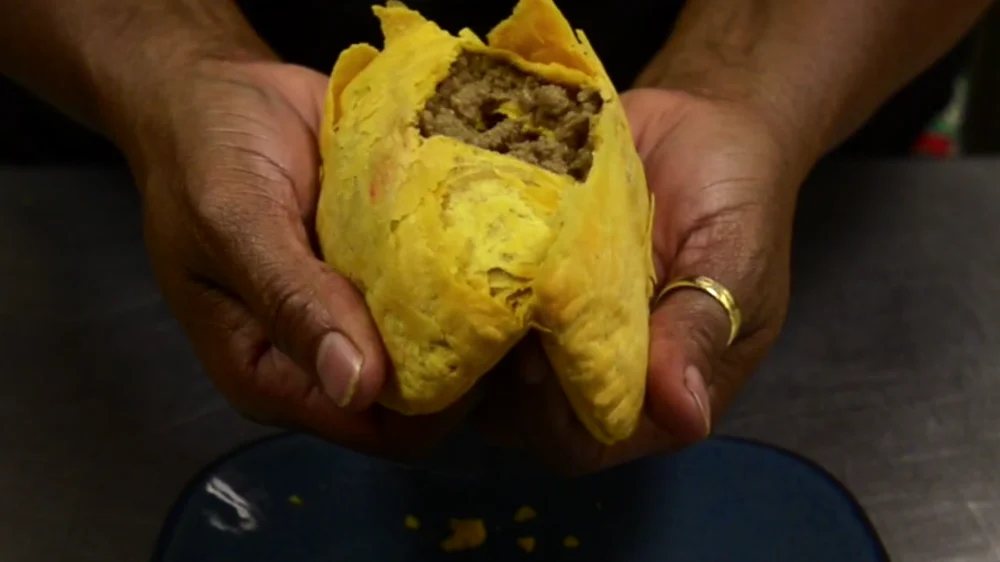
A proper Jamaican patty is not just a hand pie with curry powder in it. It needs a flaky yellow crust with enough structure to hold a juicy filling but enough tenderness to shatter a little at the first bite. The filling, whether beef, chicken, or vegetables, should be well seasoned and slightly saucy, not dry and crumbly.
For the dough, flour is rubbed with cold butter or shortening, salt, turmeric or curry powder for color, and enough cold water to bring it together. Some bakers use a touch of sugar. The key is to handle the dough lightly and rest it well. You are not making bread. You are trying to preserve layers.
The beef filling begins with sautéed onion, scallion, garlic, and thyme. Ground beef goes in next, followed by curry powder, black pepper, allspice, salt, and often a spoonful of breadcrumbs to bind moisture. Some cooks add a little stock and let it reduce. Others use a dash of soy sauce or browning for depth. Scotch bonnet can go in finely minced, though many patties rely more on spice warmth than raw heat.
Roll the dough, cut rounds, fill modestly, fold, seal, and bake until deeply golden. If you overfill them, they leak. If the filling is underseasoned, the crust tastes bland no matter how good its texture is. A useful benchmark is that the cooked filling should taste slightly stronger than you would want on its own, because the pastry mutes it.
Patties are one of the most recognizable forms of Jamaican food abroad, but a great homemade one still surprises people. The crust is usually what changes their mind. Store-bought versions can be decent, yet fresh pastry with a fragrant filling belongs to a different category.
A short pantry that makes Jamaican cooking easier
You do not need a specialty shop for every meal, but a few items make authentic flavor much easier to reach.
- Scotch bonnet peppers, fresh if possible, because their fruity heat is distinctive.
- Thyme, preferably fresh, since dried thyme can turn dusty in delicate dishes.
- Allspice, both ground and whole, for jerk, stews, and pickling.
- Coconut milk, unsweetened, for rice and peas and some braises.
- Browning sauce or plain sugar, because many Jamaican gravies depend on controlled dark color.
If you keep those on hand, along with scallion, onion, garlic, and ginger, you can cook a surprising amount of the repertoire without last-minute substitutions.
Festival, the quietly essential partner
Festival does not always get the spotlight, but it should. These lightly sweet fried dumplings sit beside jerk chicken at roadside stands and do an important job. They cool the palate, provide texture, and make a spicy meal feel complete.
The dough is usually a combination of flour, cornmeal, baking powder, sugar, salt, and water or milk. Some versions lean sweeter and softer, almost like a fairground fritter in spirit. Others are plainer. Shape them into short torpedoes and fry until evenly golden.
The trick is temperature. If the oil is too hot, the outside darkens before the center cooks. If too cool, festival absorbs oil and turns heavy. The inside should be fully cooked, tender, and faintly sweet. Served with jerk, the contrast makes perfect sense. Served alone with cheese or saltfish, it still works.
What experienced cooks adjust without thinking
One reason Jamaican food can feel elusive to beginners is that recipes often assume instinct. Heat levels vary wildly from pepper to pepper. Coconut milk differs by brand. Old hens cook differently from young chickens. Goat can be tender or stubborn depending on the cut and age. A recipe can give you a frame, but good results come from small corrections during cooking.
Here are the judgments that matter most in practice.
- Taste the cooking liquid early. Rice and peas, soup, and stew all need the pot itself to taste right before the starch or final simmer dulls the seasoning.
- Manage the pepper intentionally. A whole Scotch bonnet perfumes. A split one dominates.
- Do not fear color. Many Jamaican dishes should look darker and more robust than cooks from other traditions expect.
- Let the pot reduce enough. Thin gravy is one of the fastest ways to make a dish feel unfinished.
- Rest marinated meats at room temperature briefly before cooking so they brown rather than steam.
These details sound small, but they are often the difference between food that is pleasant and food that feels true to memory.
Bringing the meal together at home
A convincing Jamaican meal is not about making every famous dish at once. It is about pairing one main with sides that support it. Jerk chicken with rice and peas and a simple cabbage slaw is enough for a table that feels generous. Brown stew chicken with white rice and fried plantain makes a full Sunday dinner. Escovitch fish with bammy and a cold drink can be all https://issuu.com/reggaepotdenver you need on a warm evening.
If you are cooking for people unfamiliar with Jamaican food, moderate the heat without flattening the flavor. Use Scotch bonnet in whole form, or reduce the quantity but keep the thyme, pimento, scallion, and ginger at full strength. Too many first attempts focus on spice and forget aroma. Jamaican food should announce itself before the first bite.
It also helps to think beyond recipes and toward timing. Marinate meats the day before. Cook rice and peas while the main simmers. Prepare escovitch vegetables ahead so they only need a quick pass through the pan. Fry festival last so it arrives hot. Most of the cuisine rewards planning, and that planning pays you back in calm.
The real pleasure of cooking Jamaican food at home is that the dishes are vivid but not fussy. They ask for attention, yes, but they do not ask for performance. You season generously, trust the pot, and let ingredients do what they were chosen to do. When the thyme hits hot gravy, when the allspice opens in oil, when the lid lifts from a pot of rice and peas and a wave of coconut and scallion rises up, the kitchen changes. It starts to feel less like a project and more like a place where people are about to gather.
That is the part worth bringing home. Not just the recipes, but the mood they create. Jamaican food does that especially well. It feeds, it perfumes, it lingers, and it turns an ordinary table into somewhere people want to stay.
Reggae Pot Jamaican Grill
2243 S Monaco St Pkwy #104
Denver, CO 80222
+1 720-410-2956
FAQ About jamaican food
What is the best Jamaican food to try in Denver?
The best choice depends on your tastes. Popular options include jerk chicken, curry goat, slow-cooked oxtail, and savory patties. Reggae Pot lists these dishes on its menu, with sides such as rice and peas and plantains. Ask the Denver team about current availability and spice levels.
Is Jamaican food very spicy in Denver?
Heat varies by dish and preparation. Jerk seasoning often includes scotch bonnet peppers alongside herbs and allspice, while other dishes may have gentler seasoning. Ask about the heat of the specific dish and any sauce before ordering.
What are some popular Jamaican snacks?
Jamaican patties are a popular snack made with flaky pastry and savory meat or vegetable fillings. Other options include fried dumplings and festival, a sweet fried dough often served with savory dishes. Availability varies, so check the current menu when ordering.
Ends · CLAYTONMEFZ849