Pie Cafe Colorado Springs: Flavors That Keep Guests Coming Back
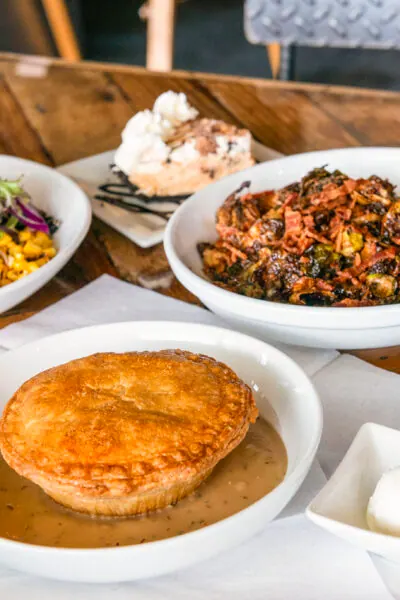
Colorado Springs has never been short on places to eat, but standing out in this city takes more than a pleasant dining room and a decent dessert case. People here have choices. They also have opinions. A restaurant can catch attention with one good social media post or a weekend rush, but repeat business comes from something steadier: food that satisfies, service that feels personal, and flavors strong enough to stay in memory after the plate is cleared.
That is exactly why the phrase pie cafe colorado springs carries weight for locals looking for comfort with character. Pie, when it is done well, reaches across categories. It can be breakfast, lunch, dessert, a holiday centerpiece, or the thing someone grabs after a hard week because nothing else sounds as comforting. A good pie café understands that. It does not treat pie as a novelty. It treats it as craft.
In Colorado Springs, that craft matters even more because diners tend to reward authenticity. They respond to places that feel rooted rather than manufactured. If a café serves pie with balance, consistency, and genuine hospitality, people notice. If it misses the mark with soggy crusts, overly sweet fillings, or careless service, they notice that too.
What keeps guests coming back is rarely one dramatic feature. More often, it is a set of small decisions made well, every day. The crust is baked just long enough to hold its structure without turning tough. Fillings taste like fruit, not only sugar. Savory pies feel hearty without becoming heavy. Coffee is hot, clean, and well timed. Staff members know when to chat and when to step back. Those details build loyalty.
Why pie holds a special place in Colorado Springs
Colorado Springs has a practical streak in its food culture. People appreciate creativity, but they also want value and familiarity. Pie fits that sensibility perfectly. It feels generous. It feels shareable. It feels tied to home cooking, but it also leaves room for refinement.
There is another reason pie resonates here. The city sits at the intersection of outdoor living, military families, tourism, and long-time locals. That creates a broad dining audience. Some guests want a nostalgic slice that reminds them of home. Others want a meal that feels substantial after a day in the mountains or a busy shift. Pie, especially in a café setting, can serve both needs without trying too hard.
A dessert-focused bakery can feel occasional. A full-service café with sweet and savory pies becomes part of routine. It can be the lunch stop between errands, the cozy meeting place during colder months, or the dependable takeout option when hosting friends. In my experience, that everyday relevance is what separates a place people admire from a place they actually revisit.
The crust tells you almost everything
If you want to judge a pie café seriously, start with the crust. People often focus on filling because it is flashy. Fruit glistens. Chocolate catches the eye. Savory steam gets attention. But crust is where standards reveal themselves.
A strong pie crust should offer contrast. It needs tenderness, but it also needs enough structure to support the slice. In fruit pies, it should protect against excess moisture. In cream pies, it should stay crisp enough to add texture rather than disappear into softness. In savory pies, it should frame the filling instead of weighing it down.
This is where many places lose repeat customers. A first-time guest may forgive one underbaked bottom crust or one filling that tastes as if it came from a can. A returning guest usually will not. Pie is comfort food, but it is not forgiving food. The margins are narrow. Too much flour handling toughens the crust. Too much sugar dulls the fruit. Too much thickener creates a gummy interior.
When guests come back to a pie cafe in Colorado Springs, it is often because the crust stays reliable. Reliability matters more than novelty. A rotating special might bring people in once. A consistently excellent crust brings them back a dozen times.
Sweet pies need restraint, not just richness
Many cafés assume the path to crowd-pleasing desserts is excess. More sugar, more whipped topping, more layers, more visual drama. That can work for a quick photo, but it rarely builds long-term affection. The pies people crave repeatedly are usually the ones that know where to stop.
Fruit pies, for example, should taste like the fruit first. Apple needs acidity as much as sweetness. Cherry should carry brightness and depth, not just syrup. Peach should feel fragrant rather than jammy. Berry pies benefit from texture variation, where some fruit breaks down and some still holds shape. Those are not flashy distinctions, but experienced diners notice them immediately.
Cream pies have a similar challenge. Chocolate, coconut, banana, or vanilla custard pies often fail because they become one-note. The best versions create contrast between smooth filling, flaky crust, and a topping that adds lift instead of heaviness. That balance is what turns a rich dessert into a repeat order.
Colorado Springs diners also tend to appreciate seasonality, even when they are not using that word. A pie that reflects cooler weather with spice and warmth lands differently in late fall than it does in July. Likewise, lighter fruit-forward options often feel more welcome in spring and summer. Guests may not analyze these shifts, but they feel them. A café that reads the room, and the season, earns trust.
Savory pies often create the regulars
Dessert may get the attention, but savory pies are frequently what make a café part of someone’s weekly routine. They are satisfying in a way that feels complete. Done right, they offer the appeal of comfort food without the slump that follows some heavier meals.
There is a practical reason for this. People can justify lunch more easily than dessert. They may stop in for a savory slice and coffee, then add a sweet slice to take home. That pattern, repeated across many guests, creates durable business. It also broadens the café’s identity from treat destination to genuine neighborhood staple.
Savory pies succeed when the filling has clear definition. Chicken should still taste like chicken, not just gravy. Vegetables should retain texture and character. Beef pies need richness, but also seasoning discipline. Cheese-based options require restraint, because too much salt or fat can flatten everything else. The crust, again, carries major responsibility. It must hold moisture without turning pasty.
At a pie cafe colorado springs locals return to, savory options often do something important: they feel homemade without feeling crude. That balance is harder than it looks. Guests want comfort, but they still expect kitchen skill. The ideal savory pie tastes generous and thoughtful at once.
Hospitality is part of the flavor
One of the least discussed reasons guests return to a café is emotional ease. They want to know what kind of experience they are walking into. Not every visit needs to be memorable in a dramatic sense. Sometimes the win is simply that the room feels calm, the order is handled cleanly, and the staff treats people with respect.
Pie cafés have a natural advantage here. Their product already signals warmth and familiarity. But that advantage can disappear fast if the front-of-house experience feels rushed, indifferent, or inconsistent. Hospitality in this setting should feel grounded. Guests appreciate guidance if they are choosing between options. They appreciate honest recommendations. They appreciate a team that understands a first-time visitor may need a minute to look over the case.
I have seen diners forgive a slightly longer wait if they feel acknowledged. I have also seen excellent pastry ignored because the service created friction. Food and hospitality are not separate lanes in a café. They reinforce each other constantly.
This matters in Colorado Springs, where local loyalty often grows through word of mouth. A guest who feels welcomed tells other people. A guest who feels dismissed does the same. The difference is that one story strengthens a café’s reputation while the other quietly erodes it.
The room matters more than owners sometimes think
A pie café does not need elaborate design to succeed, but it does need a room that supports the food. Lighting, seating comfort, noise level, and traffic flow all affect whether guests want to linger or leave quickly. Since pie invites conversation and slower enjoyment, the environment should make that possible.
That does not mean every café should aim for rustic nostalgia. Forced farmhouse décor can feel as artificial as a chain restaurant trying to mimic local charm. What works better is coherence. If the café feels clean, warm, and thoughtfully arranged, guests relax. If tables are cramped, pickup blocks dine-in movement, or the dessert case creates a bottleneck, even good food can become harder to enjoy.
Colorado Springs also attracts mixed groups, families, retirees, young professionals, tourists, and service members among them. A pie café with broad appeal usually accommodates that mix without making any one group feel out of place. That often comes down to simple decisions: a few larger tables, enough room between chairs, clear signage, and a pace of service that can handle both quick solo lunch orders and slower weekend visits.
Familiar flavors bring people in, signatures keep them loyal
Most guests walk into a pie café with a baseline expectation. They want classics. Apple. Cherry. Chocolate. Chicken pot pie. Maybe pecan when the season suits it. Those familiar flavors are not optional. They are how trust gets established.
Loyalty develops after that first layer. The café needs one or two things that feel distinctly its own. That might be a spice profile in an apple pie, a roastier depth in a chocolate filling, a savory pie with a particularly clean herb balance, or a seasonal special that regulars begin asking about before it returns. Signature does not have to mean strange. In fact, it usually should not. The best signature flavors are just familiar ideas executed with more precision.
Guests come back when they know they can order a standard favorite and still feel pleasantly surprised by how well it is done. That is a subtle but powerful form of differentiation. Plenty of restaurants chase attention with novelty. The smarter cafés build attachment through refinement.
What regulars usually notice first
Regular guests often return for reasons they do not fully articulate, but a few patterns show up again and again:
- The crust stays consistent from visit to visit.
- The fillings taste balanced rather than overly sweet or heavy.
- Staff recommendations feel honest and informed.
- Portions feel fair for the price.
- Seasonal offerings add variety without replacing the dependable classics.
None of those points sounds dramatic, and that is exactly the point. Repeat business is rarely built on drama. It is built on steady execution.
Price, value, and the psychology of the slice
Value is not the same as cheapness. That distinction matters in a café environment. Pie requires labor. Good ingredients cost money. Rent, staffing, utilities, and equipment maintenance all shape pricing. Most guests understand that, especially now. What they are measuring is whether the price matches the experience.
A slice priced a little higher than expected can still feel fair if the portion is generous, the crust is excellent, and the filling tastes made rather than mass-produced. A whole pie can feel worthwhile if it saves someone the effort of baking for a family gathering and performs well at the table. On the other hand, even a modestly priced slice can feel expensive if it tastes generic.
The psychology changes depending on the occasion. A weekday lunch customer often thinks in terms of meal value. A weekend visitor meeting friends may focus more on comfort and atmosphere. Someone ordering a whole pie for a holiday is weighing dependability above all else. Smart cafés understand those different value equations and shape their service around them.
This is another reason pie cafés can thrive in Colorado Springs. They can meet several spending mindsets at once. A person can stop in for coffee and one slice, or leave with multiple boxed items for a gathering. That flexibility https://trentonrgdi224.theglensecret.com/pie-cafe-colorado-springs-fresh-pie-friendly-service-and-cozy-atmosphere broadens the customer base without diluting the concept.
Seasonality creates anticipation when it is handled carefully
One of the strongest ways to keep guests engaged over time is seasonal rotation, but it has to be done with judgment. Too little change and the menu feels stale. Too much change and regulars lose the anchor of familiarity.
The best approach is measured rotation around a stable core. Keep the classics visible. Layer in a few seasonal offerings that reflect ingredient availability, weather, and local appetite. Fall naturally supports spiced fruit, nut-based pies, and richer cream profiles. Spring and summer often favor brighter fruit fillings and lighter textures. Winter can carry heartier savory options particularly well.
Seasonality also creates emotional rhythm. Guests like having something to look forward to. A limited pie that returns each year often becomes part of personal tradition. That tradition is valuable. It transforms a café from vendor into ritual.
There is, however, a trade-off. Seasonal menus require operational discipline. Staff need to know the products. Bakers need to manage quality across changing recipes. Demand can be difficult to predict. If a café overpromises or runs out too early too often, anticipation can turn into frustration. The places that navigate this well tend to be the ones guests trust most.
Coffee, tea, and the supporting cast
Pie gets top billing, but beverages and side offerings matter more than many owners expect. A weak cup of coffee undercuts a beautiful slice. Tea served without care can make the entire experience feel like an afterthought. If the café offers soups, salads, or simple breakfast items alongside savory pies, they need to be solid enough to support the main event rather than distract from it.
Coffee deserves special attention because it changes how pie tastes. A good roast can sharpen the edges of sweetness and make spice notes more vivid. A poor one muddies everything. Guests may not describe it that way, but they register the effect instantly. The same goes for temperature and timing. If pie arrives before the beverage or long after it, the experience loses some of its natural rhythm.
The supporting cast should never compete with the pie, but it should complete the visit. That is a meaningful distinction. A pie café does not need an oversized menu. In fact, too many options usually weaken focus. What it needs is enough well-executed accompaniment to make guests comfortable staying longer and returning often.
Timing matters, especially for first-time visitors
Guest experience in a pie café changes significantly depending on when people visit. Midmorning tends to suit guests who want a quieter pace and fuller selection. Lunch often attracts savory pie orders and shorter decision windows. Midafternoon can be ideal for dessert and coffee. Weekends usually bring more social energy, which some guests love and others avoid.
For anyone trying a pie cafe colorado springs spot for the first time, timing can shape perception more than expected. A visitor who arrives during a peak rush may judge the café by line speed and seating pressure. Someone who comes during a calmer hour may notice details in crust texture, beverage quality, and staff warmth more clearly.
A few practical windows often work best:
- Midmorning for a quieter room and strong case selection.
- Early lunch for savory pies before the biggest crowd hits.
- Midafternoon for a slower dessert-and-coffee visit.
- Weekdays if you prefer easier parking and shorter waits.
- Seasonal holidays only with advance planning, especially for whole pies.
That kind of practical awareness helps guests have a better first visit, and first visits matter. People tend to decide quickly whether a café enters their regular rotation.
Why return visits are earned, not engineered
Restaurants often spend heavily trying to manufacture loyalty through promotions, points systems, and constant marketing. Those tools can help at the margins, but they do not substitute for product quality. Pie is one of the clearest examples of that truth. A discount may bring someone in once. It does not make them crave the next slice.
Return visits are earned through accumulation. One good lunch becomes a second stop for coffee. A great holiday pie turns into a birthday order. A staff member remembers a regular’s favorite fruit filling. A family decides this is where they meet after weekend activities. None of that is accidental, yet none of it feels scripted when it is working well.
That is the deeper story behind any successful pie café in Colorado Springs. The flavors matter, absolutely. They are the first promise the business makes. But the promise only holds if the café backs it up with consistency, judgment, and care. Guests do not come back just because pie sounds nice. They come back because someone baked it properly, served it thoughtfully, and made the whole experience feel worth repeating.
For a city that values comfort without pretense, that formula has lasting power. And for any pie cafe colorado springs diners choose to revisit, that is the real test. Not whether the pies look good for one afternoon, but whether the flavors, the hospitality, and the sense of place stay with people long enough to bring them through the door again.
3.14 Pi Bar
5152 Centennial Blvd
Colorado Springs, CO 80919
(719) 314-6172
FAQ About pie cafe colorado springs
Does 3.14 Pi Bar serve sweet and savory pies?
Yes. The café serves savory pot pies and seasonal sweet pies made from scratch. Flavors can vary.
Can I order a whole pie to take home?
Yes. The café sells whole sweet pies to take home. Check the current menu for flavors and ordering options.
Does 3.14 Pi Bar offer take-and-bake pies?
Yes. The café offers prepared pies that you can bake at home. Check the current menu for available varieties.
Ends · CLAYTONMEFZ849